Installing a Wall-Mounted Toilet – How to Ensure a Proper Installation

Installing a Wall-Mounted Toilet – How to Ensure a Proper Installation
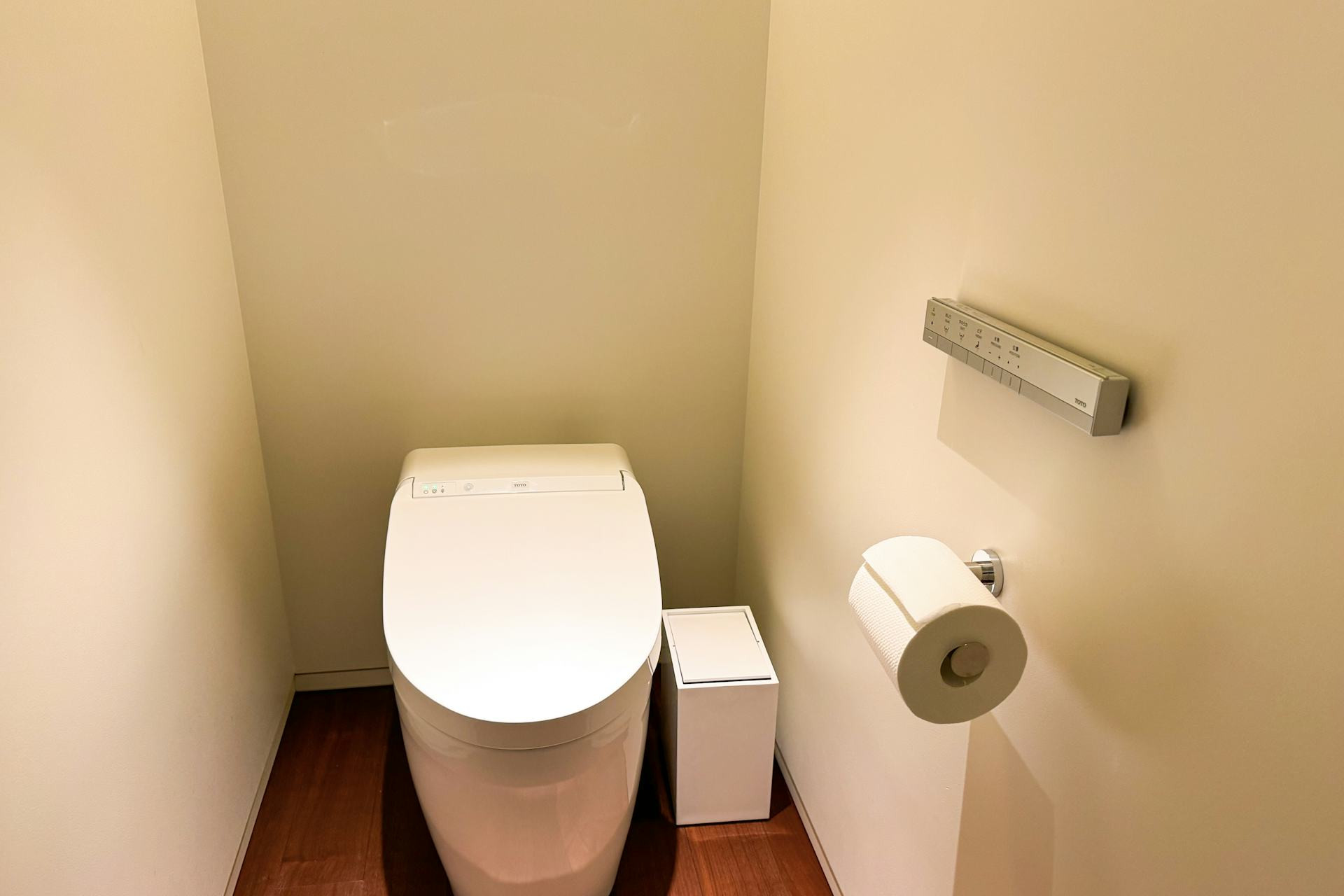
A wall-mounted toilet gives your bathroom a sleek, modern look while making cleaning easier and freeing up valuable floor space. It can even make a small bathroom feel more open. But to enjoy both the style and functionality, the installation must be done correctly. Here’s a detailed guide to help you achieve a stable, long-lasting result and avoid common pitfalls along the way.
Understanding the System – Choosing the Right Frame
A wall-mounted toilet consists of two main parts: the bowl and the in-wall carrier system that holds the tank and supports the weight. The carrier frame is the structural backbone of the installation, so choosing the right one for your wall type is essential.
- For stud walls (wood or metal framing): Use a floor-mounted carrier system that anchors securely to both the floor and the wall studs.
- For solid masonry or concrete walls: You can use a wall-mounted carrier that bolts directly into the wall.
Most major manufacturers—such as Geberit, Toto, and Kohler—offer complete systems that include the carrier, in-wall tank, and flush plate. Using a matched system ensures compatibility and simplifies installation.
Preparation: Measure, Plan, and Check Utilities
Before you start, plan the layout carefully. A wall-mounted toilet requires more depth than a floor-mounted one because the tank and frame sit inside the wall cavity. Make sure there’s enough space for the carrier and that you have access to water supply lines, a drain connection, and, if needed, an electrical outlet for advanced features like automatic flushing or bidet functions.
Check that the wall can support the installation. A properly installed carrier can typically handle up to 800 pounds, but only if it’s securely anchored according to the manufacturer’s instructions.
Læs også:

Step-by-Step Installation Guide
-
Install the Carrier Frame Position the frame against the wall and adjust the height so the toilet bowl will sit at a comfortable level—usually 15 to 17 inches from the finished floor to the top of the seat. Secure the frame to the floor and wall studs using the provided brackets and bolts.
-
Connect the Water Supply and Drain Attach the water line to the in-wall tank and connect the waste outlet to the drainpipe. Use approved fittings and plumber’s tape to ensure watertight connections.
-
Test for Leaks Before closing the wall, fill the tank and flush several times to check for leaks. Fix any issues now—it’s much easier than after the wall is sealed.
-
Close the Wall and Finish the Surface Once the system is tested, cover the frame with moisture-resistant drywall or cement board. Then finish the surface with tile, paint, or another waterproof wall finish that matches your bathroom design.
-
Mount the Toilet Bowl After the wall is finished, hang the toilet bowl on the protruding threaded rods. Use the supplied spacers and washers, and tighten the nuts carefully—over-tightening can crack the porcelain. Check that the bowl aligns perfectly with the drain and sits level.
-
Install the Flush Plate Finally, attach the flush plate or actuator panel. This provides access to the tank for future maintenance and adjustments.
Common Mistakes to Avoid
Even small errors can lead to big problems later. Here are some of the most frequent issues:
- Loose frame installation: If the carrier isn’t firmly anchored, the toilet may shift or creak. Always use the recommended hardware and torque settings.
- Leaky connections: A minor leak behind the wall can cause serious water damage. Always test thoroughly before closing the wall.
- Incorrect height: A toilet that’s too high or too low can be uncomfortable. Double-check measurements before tightening the frame.
- Poor moisture protection: Bathrooms are wet environments—use moisture-resistant materials and proper waterproofing around the installation area.
When to Call a Professional
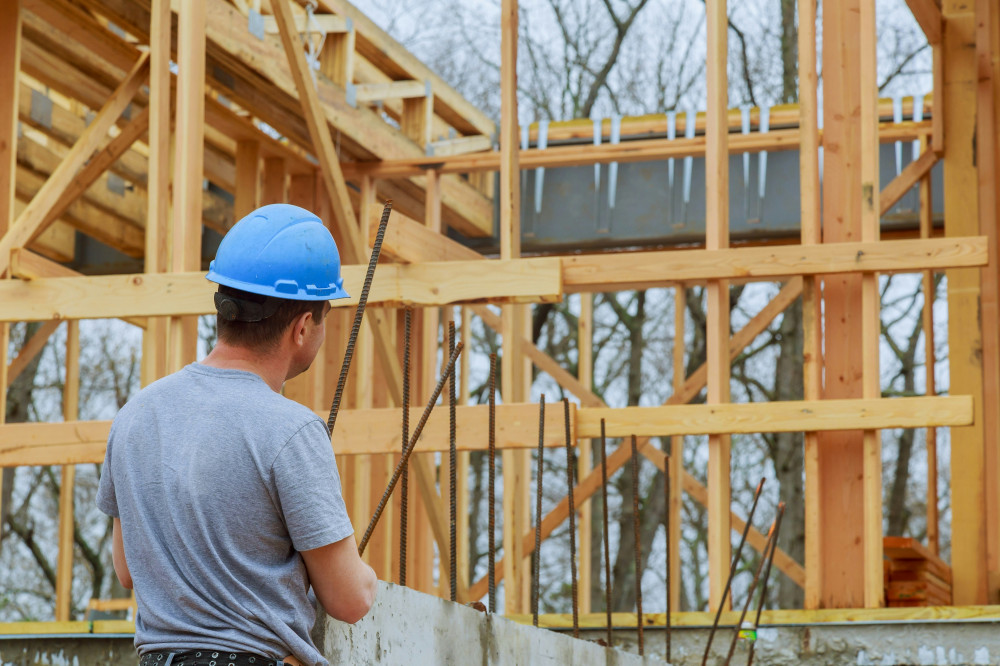
While experienced DIYers can handle much of the work, plumbing connections must comply with local building codes. In most U.S. jurisdictions, water supply and drain connections should be made or inspected by a licensed plumber. This ensures the installation meets code requirements and protects you from potential insurance issues if a leak occurs later.
You can still take care of the framing, wall preparation, and finishing work yourself if you’re comfortable with basic carpentry and drywalling.
Maintenance and Care
A wall-mounted toilet requires little maintenance, but it’s wise to clean the flush plate and internal components periodically. Most systems allow easy access through the flush plate opening, so you can replace seals or adjust the flush volume if needed.
Avoid using harsh chemicals inside the tank—they can damage plastic parts and seals. Instead, use mild cleaners and rinse thoroughly with clean water.
A Clean, Modern Finish That Lasts
When installed correctly, a wall-mounted toilet offers a clean, contemporary look and makes your bathroom easier to maintain. With careful planning and proper installation, you’ll enjoy a durable, space-saving fixture that enhances both comfort and style for years to come.
Læs også: