Waterproofing Membranes: Requirements and Standards in Modern Construction

Waterproofing Membranes: Requirements and Standards in Modern Construction
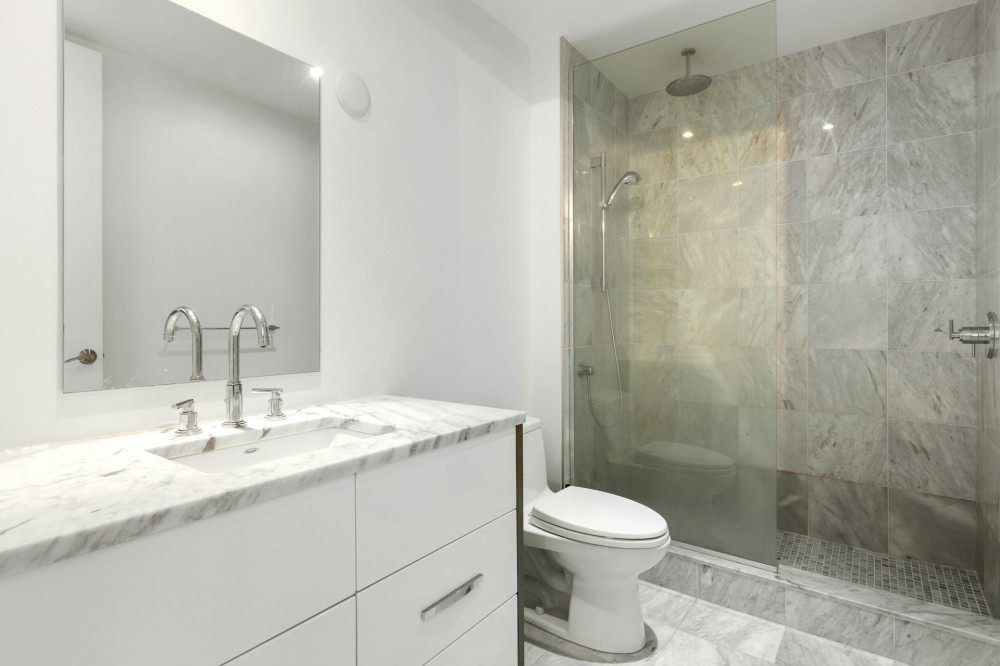
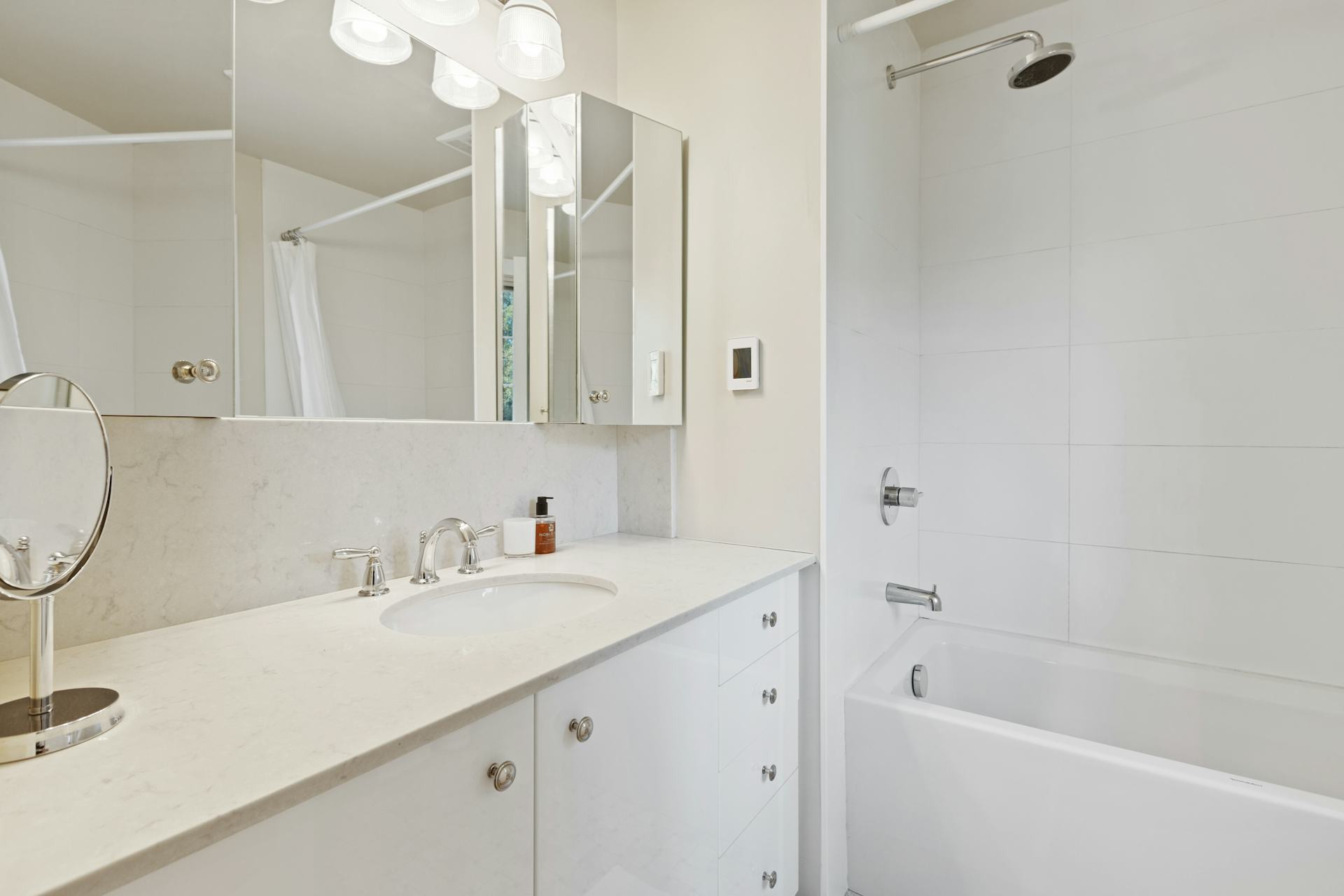
A modern bathroom or building envelope must do more than look good—it must be built to resist moisture and water intrusion. The waterproofing membrane is one of the most critical components in achieving that goal. Acting as an invisible barrier, it protects walls, floors, and structural elements from water damage, mold growth, and deterioration. But what are the requirements for waterproofing membranes in the United States today, and how can builders ensure compliance with current standards?
What Is a Waterproofing Membrane?
A waterproofing membrane is a continuous layer designed to prevent water from penetrating the underlying structure. It can be applied as a liquid-applied membrane, which is brushed, rolled, or sprayed on to form a seamless coating, or as a sheet membrane, which is adhered or mechanically fastened to the substrate. Both types can perform effectively when installed correctly and according to the manufacturer’s specifications.
In interior applications, membranes are typically installed beneath tile or stone finishes in wet areas such as showers, bathrooms, and laundry rooms. In exterior applications, they are used on foundations, roofs, balconies, and decks. The key is to create a continuous, watertight surface without gaps, wrinkles, or punctures.
Codes and Standards in the United States
In the U.S., waterproofing requirements are governed primarily by the International Building Code (IBC) and the International Residential Code (IRC), which are adopted and enforced by most states and municipalities. These codes reference several industry standards that define performance and testing requirements for waterproofing materials.
Some of the most relevant standards include:
- ASTM C836 / C836M – Standard Specification for High Solids Content, Cold Liquid-Applied Elastomeric Waterproofing Membrane for Use with Separate Wearing Course.
- ASTM C898 – Standard Guide for Use of High Solids Content, Cold Liquid-Applied Elastomeric Waterproofing Membrane.
- ASTM D1970 – Standard Specification for Self-Adhering Polymer Modified Bituminous Sheet Materials Used as Steep Roofing Underlayment for Ice Dam Protection.
- ANSI A118.10 – Standard for Load Bearing, Bonded, Waterproof Membranes for Thin-Set Ceramic Tile and Dimension Stone Installations.
These standards ensure that membranes meet minimum requirements for adhesion, flexibility, crack-bridging ability, and water resistance.
Product Certification and Documentation
Manufacturers must provide documentation demonstrating that their products comply with applicable ASTM or ANSI standards. Many waterproofing systems are also evaluated by third-party organizations such as ICC-ES (International Code Council Evaluation Service), which issues evaluation reports confirming code compliance.
When selecting a waterproofing system, builders and homeowners should verify that:
- The product has been tested and certified for its intended use.
- The entire system—primer, membrane, adhesive, and sealant—is compatible and approved by the manufacturer.
- Installation instructions are followed precisely, as deviations can void warranties and compromise performance.
Common Installation Errors and How to Avoid Them
Even the best materials can fail if installed incorrectly. Common mistakes include:
- Incomplete coverage or thin application of liquid membranes.
- Poor sealing at corners, joints, and penetrations.
- Mixing components from different manufacturers that are not designed to work together.
- Neglecting to prepare the substrate properly before application.
To avoid these issues, installers should always follow the manufacturer’s guidelines, maintain proper environmental conditions during installation, and document the process for quality assurance.
Professional Installation and Inspection
While some waterproofing products are marketed for DIY use, professional installation is strongly recommended for critical areas such as showers, basements, and roofs. Licensed contractors familiar with local codes and manufacturer requirements can ensure that the system is applied correctly and inspected before it is covered by finishes.
After installation, a flood test or moisture test may be performed to verify watertightness before tile or flooring is installed. Identifying and correcting leaks at this stage is far easier and less costly than repairing water damage later.
Læs også:

A Sound Investment in Durability
A properly installed waterproofing membrane is an investment in the longevity and safety of a building. It prevents costly water damage, protects indoor air quality by reducing mold risk, and ensures that finishes remain beautiful and functional for years to come.
Whether you are building new or renovating, always choose tested and certified materials, follow recognized standards, and rely on qualified professionals. In modern construction, effective waterproofing is not just a technical requirement—it’s a cornerstone of lasting quality.
Læs også: