Prevent Mold and Moisture in the Shower Area


Prevent Mold and Moisture in the Shower Area
A damp bathroom is the perfect environment for mold and bacteria to grow. The shower area is especially vulnerable because it’s exposed to water and steam every day. If moisture isn’t managed properly, it can lead to discoloration, unpleasant odors, and even damage to walls and structures. Fortunately, with a few simple habits and preventive measures, you can keep your shower area clean, dry, and mold-free.
Ensure Proper Ventilation
Good ventilation is the most important factor in preventing mold. When you shower, humidity levels rise quickly, and without proper airflow, moisture settles on walls, ceilings, and grout.
- Use the exhaust fan every time you shower, and let it run for at least 15–20 minutes afterward.
- Open a window if your bathroom has one, to let steam escape.
- Keep the door open after showering so moisture can disperse throughout the home instead of lingering in the bathroom.
If you often notice fogged mirrors or condensation on tiles, your ventilation may not be sufficient. Consider upgrading to a more powerful exhaust fan or installing a humidity-sensing model that turns on automatically.
Wipe Down Surfaces After Showering
It may seem like a small step, but removing water from surfaces after each shower makes a big difference. Use a squeegee to pull water off tiles and glass doors, and follow up with a towel if needed.
This reduces the time surfaces stay wet and minimizes the chance for mold spores to take hold. It also helps prevent soap scum and mineral buildup, keeping your shower looking cleaner for longer.
Maintain Grout and Caulk
Grout lines and caulk joints are common trouble spots where water can seep in. Cracked or deteriorated caulk can quickly become a breeding ground for mold.
- Inspect grout and caulk regularly for cracks, discoloration, or peeling.
- Replace damaged caulk with a waterproof silicone sealant designed for bathrooms.
- Clean grout lines with a mild vinegar solution or a mold-removal cleaner if you notice dark spots starting to form.
Keeping these areas in good condition not only prevents mold but also protects the underlying walls from moisture damage.
Prevent Moisture Buildup
Small design choices can make a big difference in how quickly your shower dries out.
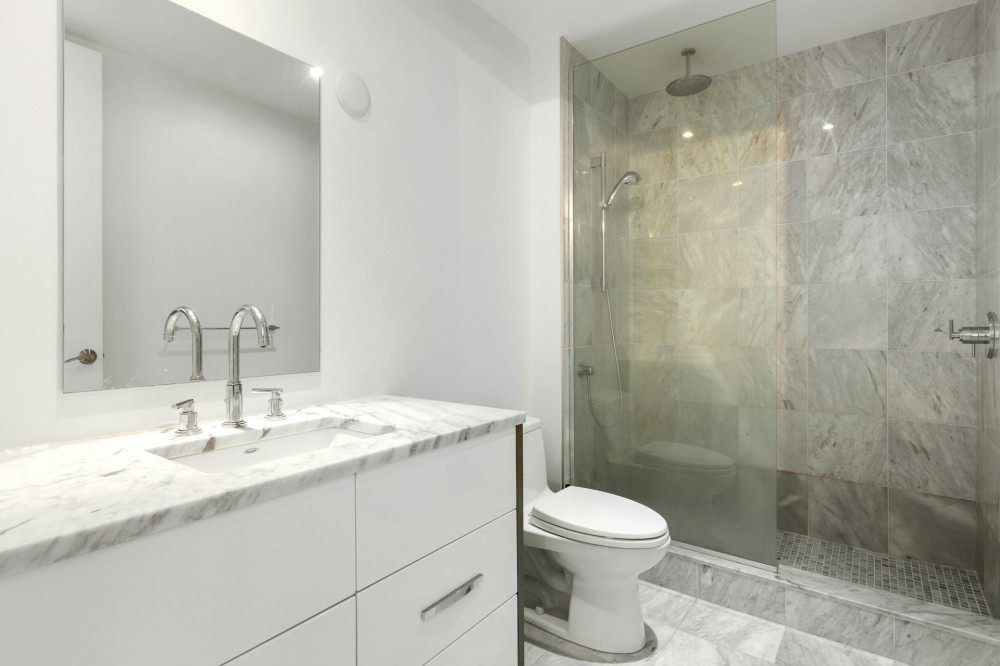
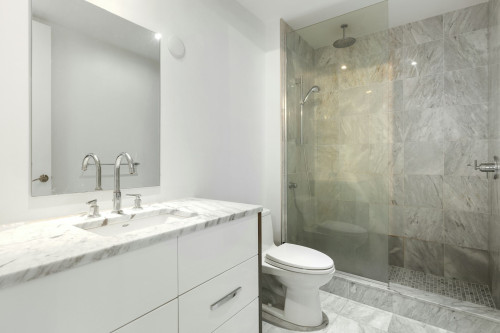
- Use a glass or plastic shower door instead of a fabric curtain, which tends to trap moisture.
- Ensure proper drainage—the floor should slope toward the drain so water doesn’t pool in corners.
- Store shampoo and soap bottles on shelves, not on the floor, where water collects around them.
The faster water drains and surfaces dry, the less opportunity mold has to grow.
Clean Regularly
Mold thrives on soap residue and grime, so regular cleaning is essential. Use mild bathroom cleaners that don’t leave a greasy film, and avoid harsh chemicals that can damage grout or finishes.
A weekly cleaning of tiles, grout, and drains keeps the area fresh and prevents mold spores from finding a food source. Don’t forget to clean the exhaust fan and drain cover periodically—both can trap moisture and dust.
Læs også:

Choose Moisture-Resistant Materials
If you’re remodeling, select materials that resist moisture and mold. Ceramic or porcelain tiles, waterproof paint, and moisture-resistant backer boards are excellent choices. Avoid organic materials like wood or wallpaper in the shower area.
A properly built and sealed shower with good ventilation is the best long-term defense against moisture problems.
Healthy Habits for a Healthy Bathroom
Preventing mold isn’t just about renovations—it’s about daily habits. Ventilate after every shower, wipe down wet surfaces, and keep an eye on grout and caulk. With a few consistent routines, you can maintain a clean, dry, and healthy shower area that looks great and lasts for years.
Læs også: