Foundation Insulation as Part of a Modern Facade Upgrade

Foundation Insulation as Part of a Modern Facade Upgrade
When homeowners think about improving their home’s energy efficiency or updating its exterior, the focus often falls on walls, windows, and roofing. Yet the foundation—the part of the structure that meets the ground—plays a crucial role in both performance and durability. Proper foundation insulation can reduce energy loss, protect against moisture, and create a more cohesive look for the entire facade. In this article, we’ll explore why foundation insulation should be considered an essential part of any modern facade upgrade.
What Is Foundation Insulation?
Foundation insulation involves adding a layer of thermal protection to the portion of the building that sits below or just above grade. This area is particularly vulnerable to heat loss and moisture intrusion because it’s in direct contact with the soil, which stays cool and damp throughout much of the year. Without insulation, this can create thermal bridges—areas where heat escapes more easily—leading to cold floors, condensation, and higher energy bills.
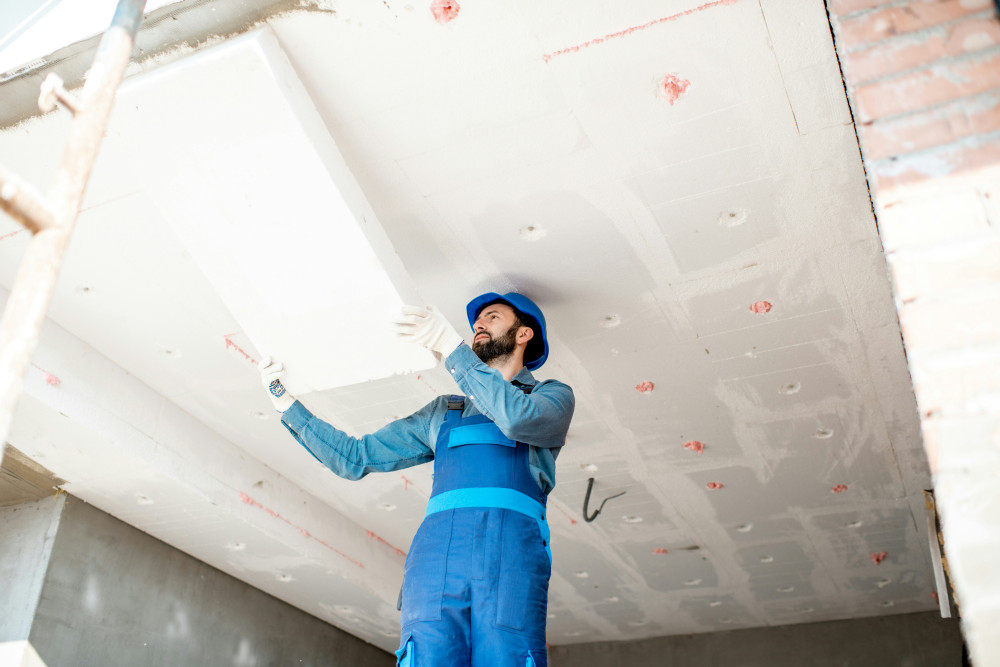
To prevent this, rigid, moisture-resistant insulation boards are typically installed along the exterior of the foundation. Materials such as extruded polystyrene (XPS) or closed-cell spray foam are common choices in the U.S. because they provide excellent thermal resistance and can withstand soil pressure and moisture exposure.
Why the Foundation Matters in a Facade Upgrade
A facade upgrade isn’t just about curb appeal—it’s about creating a continuous, well-insulated building envelope. If you insulate the walls but leave the foundation exposed, you create a weak point where heat can escape and moisture can enter. This can lead to condensation, mold growth, and structural deterioration over time.
By including the foundation in your facade renovation, you ensure that the insulation extends seamlessly from the walls down to the ground. This continuity improves energy performance, reduces the risk of moisture problems, and enhances the overall durability of the building. It also allows for a consistent exterior finish, whether you choose stucco, masonry veneer, or another decorative surface.
Benefits of Foundation Insulation
There are several compelling reasons to include foundation insulation in your renovation plan:
- Improved energy efficiency: Reducing heat loss through the foundation lowers heating and cooling costs and helps maintain a more stable indoor temperature.
- Moisture protection: Insulation acts as a barrier against ground moisture and frost, helping to prevent dampness and damage to the foundation.
- Extended building life: A dry, well-protected foundation is less prone to cracking, spalling, and other forms of deterioration.
- Enhanced appearance: A newly finished foundation can complement the updated facade, giving the home a more polished and modern look.
- Increased property value: Comprehensive energy upgrades that include the foundation often make a home more attractive to buyers and can improve resale value.
How the Work Is Done
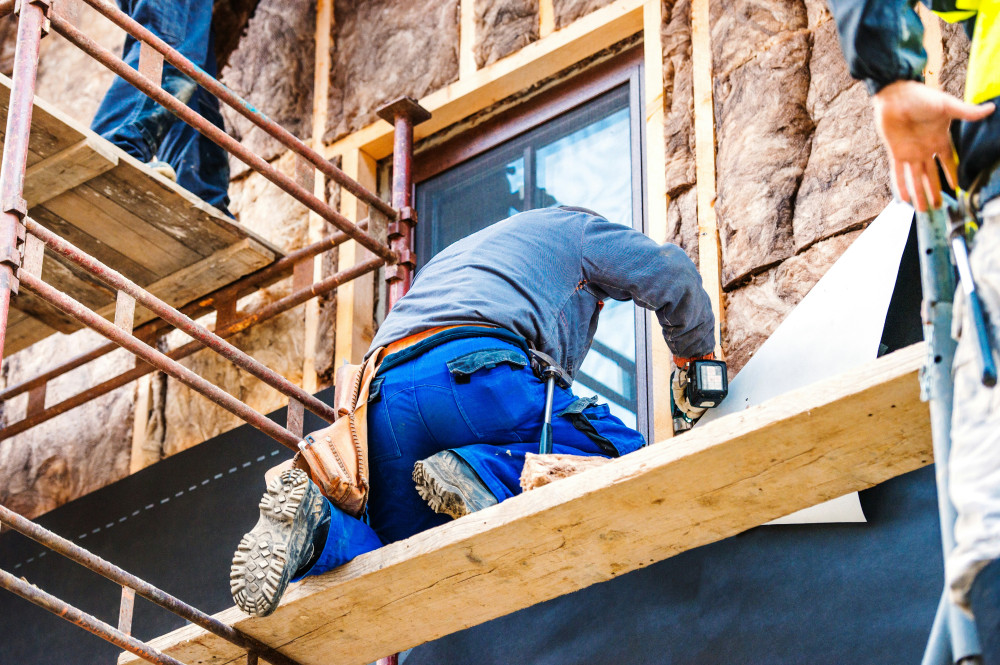
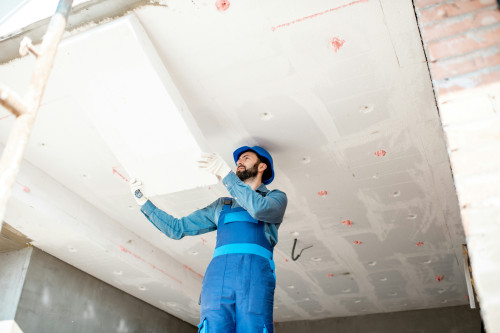
Installing foundation insulation requires careful planning and professional execution. The process typically begins by excavating the soil along the foundation to expose the surface. The foundation wall is then cleaned, repaired if necessary, and prepared for insulation. Rigid insulation boards are attached using adhesive and mechanical fasteners, followed by a protective coating or drainage layer. Finally, the soil is backfilled, ensuring proper grading away from the house to direct water runoff.
Because foundation work involves both structural and moisture considerations, it’s best handled by experienced contractors. A professional can ensure that the insulation integrates properly with the wall system, waterproofing, and any existing drainage components.
Læs også:
When Does It Make Sense?
Foundation insulation is especially worthwhile when you’re already planning a facade renovation, replacing siding, or addressing moisture issues near the base of your home. It’s also a smart addition during landscaping projects or when upgrading drainage systems. Combining these efforts can save time, reduce labor costs, and deliver a more complete and efficient result.
A Smart Investment in Comfort and Longevity
While foundation insulation may seem like a small detail in a larger renovation, its impact on comfort, energy performance, and structural health is significant. It’s an investment that pays off over time through lower utility bills, fewer maintenance issues, and a more durable home.
When planning your next facade upgrade, don’t overlook the foundation. By insulating from the ground up, you’ll ensure your home stays strong, efficient, and beautiful for decades to come.
Læs også: