How to Maintain Your Heating Pipe Insulation Over Time

How to Maintain Your Heating Pipe Insulation Over Time
The insulation around your heating pipes plays a key role in keeping your home energy-efficient and comfortable. Good insulation ensures that heat stays inside the pipes instead of escaping into basements, crawl spaces, or walls. But even the best insulation doesn’t last forever. Over time, it can wear down, get damp, or become damaged—leading to higher energy bills and potential moisture problems. Here’s a guide to help you maintain your heating pipe insulation so it performs well for years to come.
Why Maintenance Matters
When your heating pipes lose insulation efficiency, your furnace or boiler has to work harder to deliver the same amount of heat. That means higher energy use, more wear on your system, and uneven heating throughout your home. Damaged or missing insulation can also lead to condensation, which may cause corrosion or mold growth in damp areas like basements.
By inspecting and maintaining your insulation regularly, you can:
- Reduce heat loss and save on energy costs
- Extend the lifespan of both your pipes and insulation
- Prevent moisture and mold issues
- Keep your home’s heating system running efficiently
Inspect Your Insulation Once a Year
A yearly inspection is a simple but effective habit. It doesn’t take long, but it can make a big difference in performance and energy savings. Here’s how to do it:
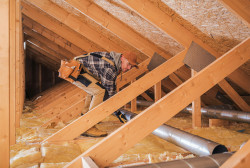
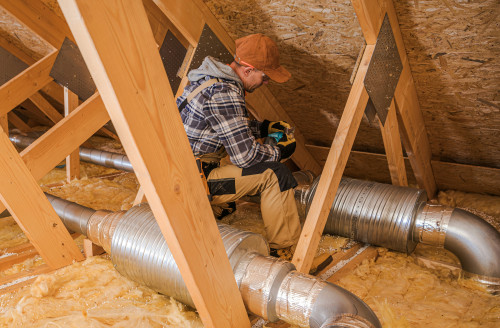
- Start at the heat source—your furnace, boiler, or water heater—and follow the pipes outward.
- Look for cracks, gaps, or loose joints in the insulation.
- Check for moisture—damp insulation loses its effectiveness and should be replaced.
- Pay attention to bends and joints, where insulation tends to wear out first.
Minor issues can often be fixed by homeowners, but if you find extensive damage or signs of moisture, it’s best to call a professional plumber or HVAC technician.
How to Repair Damaged Insulation
Small cracks or openings can be sealed with insulation tape that matches the existing material. If the insulation is flattened, torn, or wet, it should be replaced. Choose a material that matches the original in both thickness and type to maintain consistent performance.
Common insulation types include:
- Foam pipe sleeves (polyethylene or rubber foam) – easy to install and ideal for indoor use.
- Fiberglass pipe wrap – handles higher temperatures and is often used in mechanical rooms.
- Elastomeric rubber insulation – flexible, moisture-resistant, and great for cold pipes or humid environments.
When replacing insulation, make sure seams are tight and sealed to prevent heat loss and condensation.
Watch for Moisture and Condensation
Moisture is the enemy of effective insulation. If you notice dark spots, mold, or water droplets on the insulation, it’s a sign of condensation. This can happen if the insulation is too thin, poorly sealed, or if the room’s humidity is too high.
To prevent moisture problems:
- Ensure good ventilation in basements and utility rooms.
- Use vapor-barrier insulation on cold pipes.
- Avoid compressing insulation too tightly—it reduces its effectiveness.
Consider Upgrading Older Insulation
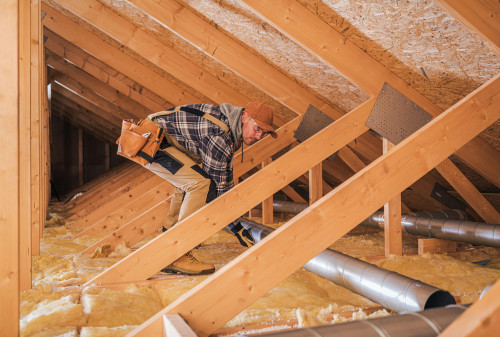
If your home is older, the pipe insulation may not meet current energy standards. Upgrading can be a smart investment, especially for pipes running through unheated spaces like basements, attics, or garages. The cost is relatively low, and the energy savings can add up quickly.
You can measure the insulation thickness and compare it to recommendations from the U.S. Department of Energy. As a general rule, heating pipes in unconditioned areas should have at least 1 to 2 inches of insulation, depending on pipe size and material.
Læs også:
Get Professional Help When Needed
While many maintenance tasks are DIY-friendly, it’s a good idea to have a professional energy auditor or HVAC technician inspect your system every few years. They can measure heat loss, assess insulation quality, and suggest improvements that can make your home more energy-efficient.
A Small Effort with Big Rewards
Maintaining your heating pipe insulation isn’t the most glamorous home project, but it’s one of the most cost-effective. With a quick annual checkup, a few simple repairs, and occasional upgrades, you can keep the heat where it belongs—inside your pipes—and your energy bills under control.
Læs også: