Wall Insulation Without Major Changes to the Home’s Appearance

Wall Insulation Without Major Changes to the Home’s Appearance
Many homeowners want to improve their home’s energy efficiency without altering the look that gives it character. This is especially true for older houses, where the exterior is often an important part of the home’s charm and history. Fortunately, there are several ways to insulate walls effectively—without changing the home’s appearance.
Why Insulate the Walls?
Walls account for a large portion of a home’s heat loss. Poorly insulated exterior walls allow warm air to escape and cold air to enter, leading to higher energy bills and less comfort. Proper wall insulation can:
- Significantly reduce energy consumption
- Improve indoor comfort year-round
- Help prevent moisture and mold problems
- Increase the home’s value and sustainability
But how can you achieve this without altering the exterior?
Cavity Wall Insulation – The Invisible Solution
If your home has cavity walls, cavity wall insulation is often the most discreet and efficient method. In this process, insulation material—such as mineral wool, cellulose, or foam beads—is blown into the space between the inner and outer walls.
The advantages include:
- The work is done from the outside with minimal disruption.
- The exterior appearance remains unchanged.
- The installation usually takes only a few hours.
However, this method is only possible if the wall actually has a cavity and it’s clean and dry. A professional can inspect the wall by drilling small test holes to determine if cavity insulation is suitable.
Interior Insulation – When the Exterior Must Stay Untouched
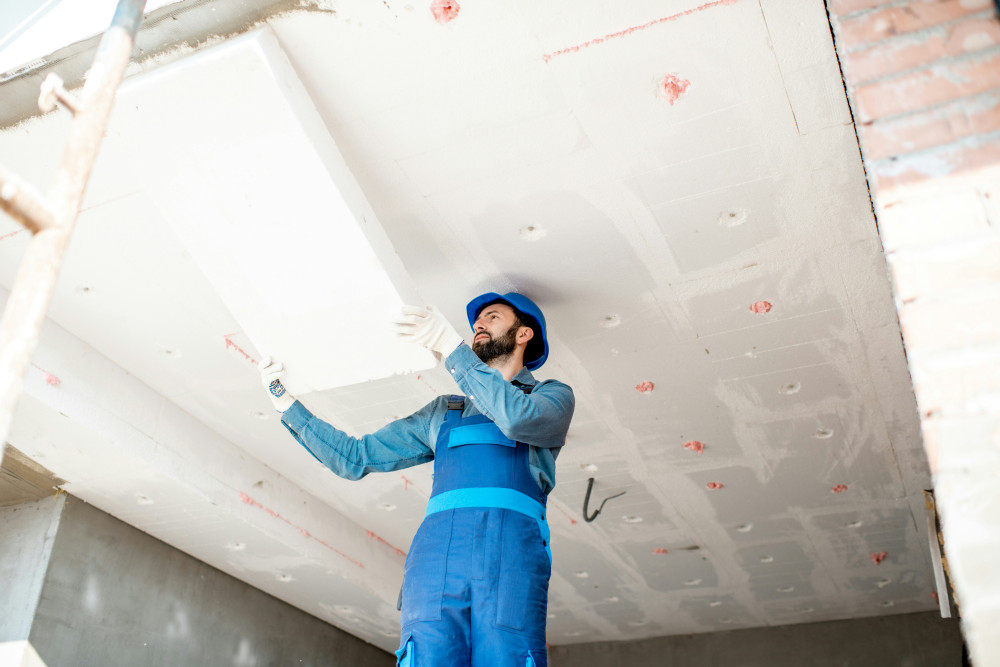
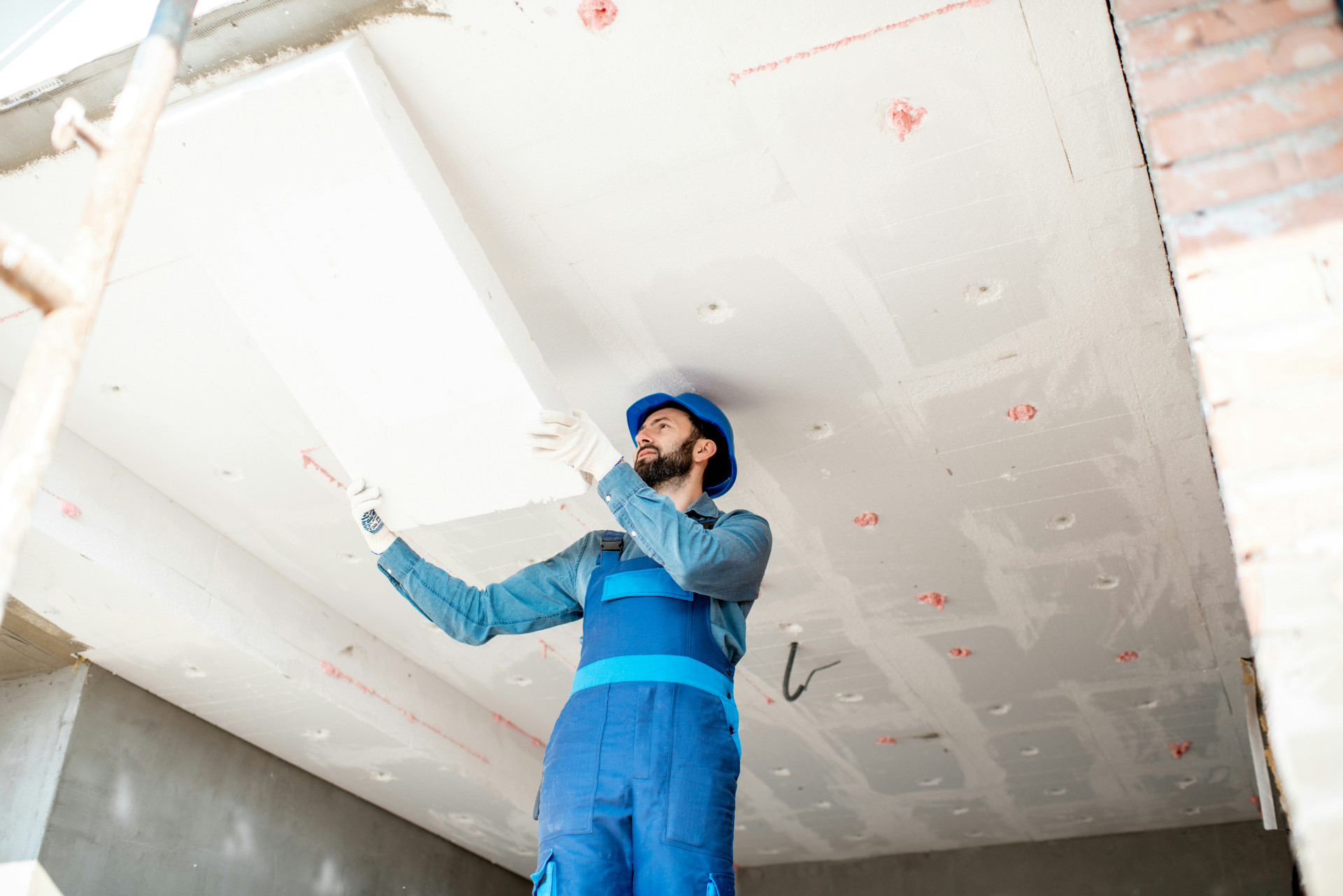
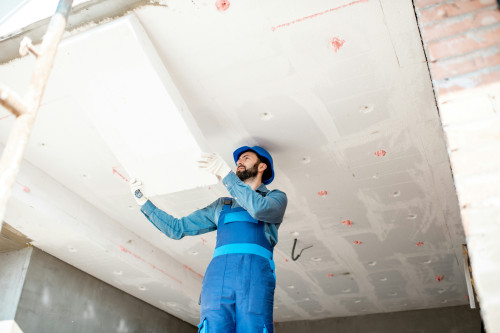
For homes without cavity walls, or where the exterior must remain unchanged, interior wall insulation can be the answer. This involves installing insulation boards on the inside of the exterior walls, followed by a vapor barrier and new drywall or paneling.
The main advantage is that the home’s exterior remains completely intact. The downside is a slight loss of interior space, and the work must be done carefully to prevent moisture issues. It’s important to use materials that allow the wall to breathe—such as calcium silicate or wood fiber boards—especially in older homes.
Exterior Insulation with Respect for the Architecture
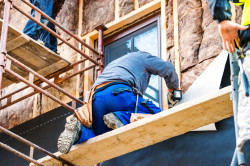
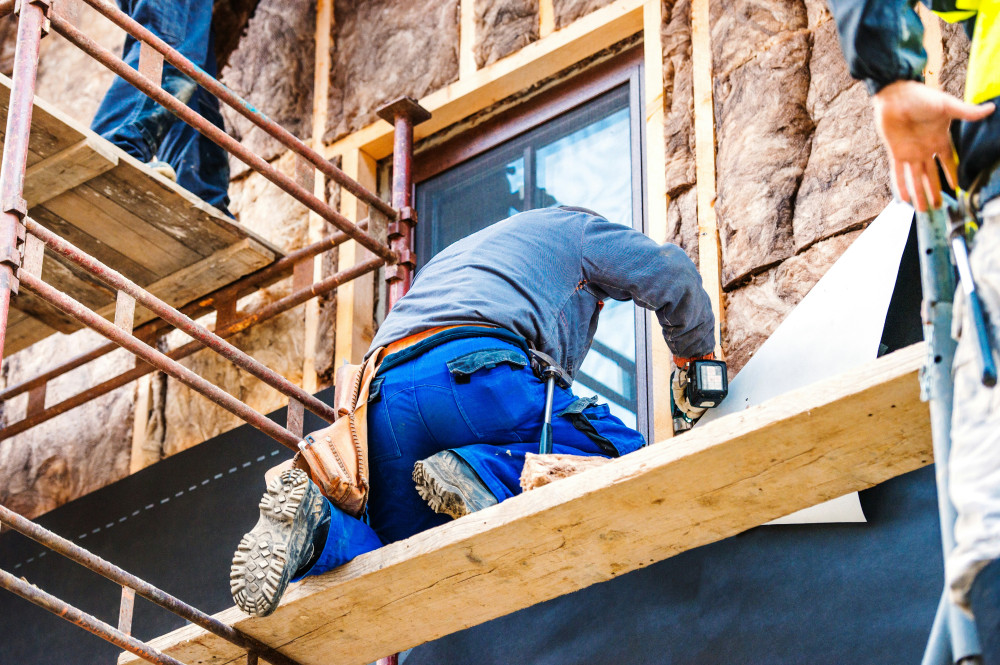
While exterior insulation typically changes a home’s appearance, it can be done tastefully. By using thin insulation systems and choosing finishes that match the original style, you can preserve the home’s character.
For example:
- Stucco finishes in the same color and texture as the original facade can maintain a cohesive look.
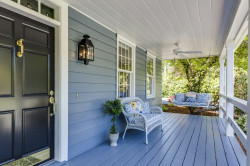
- Traditional wood siding can preserve the charm of older or historic homes.
- Architectural details like trim and moldings can be recreated to keep the home’s original style.
This approach is especially practical if the exterior already needs renovation.
Læs også:
Choosing the Right Materials – Balancing Function and Aesthetics
When insulating, it’s not just about thickness or R-value. Moisture control, durability, and environmental impact also matter.
Popular materials for discreet wall insulation include:
- Cellulose – eco-friendly and ideal for cavity walls.
- Mineral wool – fire-resistant and highly effective.
- Wood fiber boards – breathable and suitable for interior insulation in older homes.
- Calcium silicate boards – moisture-regulating and perfect for historic buildings.
An energy consultant or building professional can help determine which solution best fits your home’s structure and style.
Get Professional Advice
Even though some insulation projects may seem simple, professional guidance is essential. Poorly installed insulation can lead to moisture buildup, mold, or structural damage. An energy auditor can perform a thermal imaging inspection and calculate where insulation will have the greatest impact.
Homeowners may also qualify for federal or state energy-efficiency incentives, such as tax credits or rebates, which can make the project more affordable.
A Warmer Home – Without Losing Its Character
It’s entirely possible to make your home more energy-efficient without compromising its appearance. With the right materials and a well-planned approach, you can preserve the exterior’s charm while enjoying a more comfortable indoor climate and lower energy bills.
Wall insulation doesn’t have to be visible—but its benefits can be felt every day.
Læs også: