Less Draft and Cold Airfall with the Right Insulation Materials

Less Draft and Cold Airfall with the Right Insulation Materials
As winter approaches and temperatures drop, many homeowners start noticing drafts and cold floors. It’s not just about comfort—poor insulation can lead to significant heat loss and higher energy bills. With the right insulation materials, you can improve indoor comfort, reduce energy waste, and create a cozier home all year round.
Why Drafts and Cold Airfall Happen
Drafts and cold airfall often occur when warm indoor air meets cold surfaces. If walls, ceilings, or floors are poorly insulated, they become cold, and the air in the room circulates to balance the temperature difference. This movement feels like a draft, even if there are no open gaps.
Cold airfall typically happens near windows and exterior walls, where warm air cools and sinks toward the floor. The result is an uncomfortable indoor climate—you can feel the chill even when the thermostat shows a comfortable temperature.
Choosing the Right Insulation Material
There are many types of insulation materials, and the best choice depends on where you’re insulating and what properties you value most.
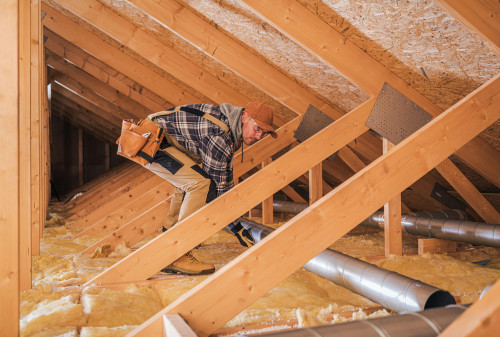
- Fiberglass and Mineral Wool – Classic materials that provide excellent thermal and sound insulation. They’re suitable for walls, attics, and floors.
- Cellulose Insulation – An eco-friendly option made from recycled paper treated for fire and pest resistance. It’s blown into cavities and conforms to the structure, minimizing cold spots.
- Spray Foam (Open- or Closed-Cell) – Ideal for attics, basements, and tight spaces. The foam expands to seal gaps and cracks, reducing air leaks and improving energy efficiency.
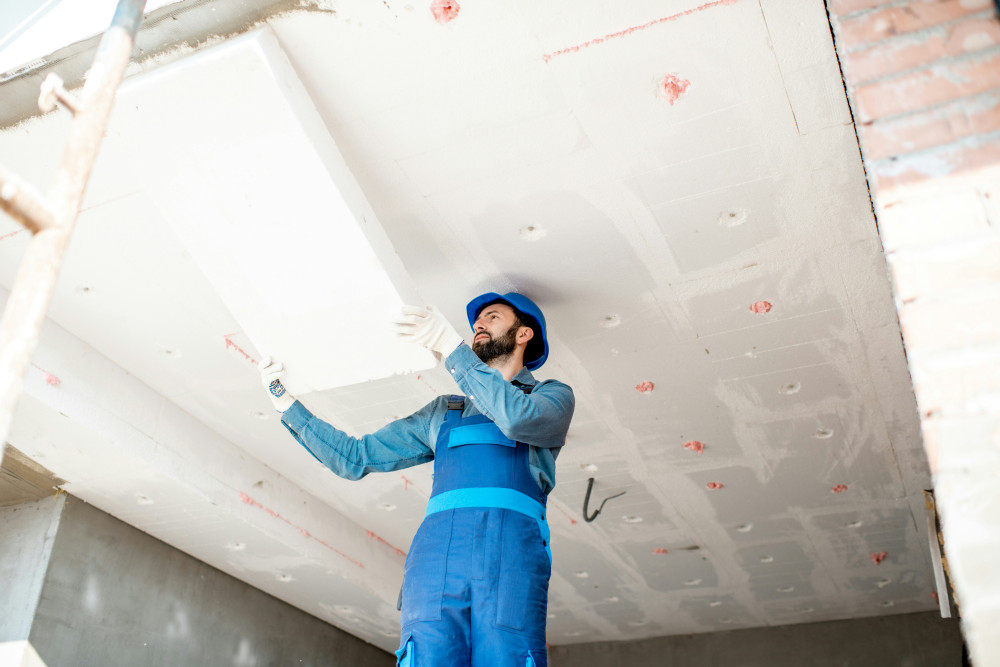
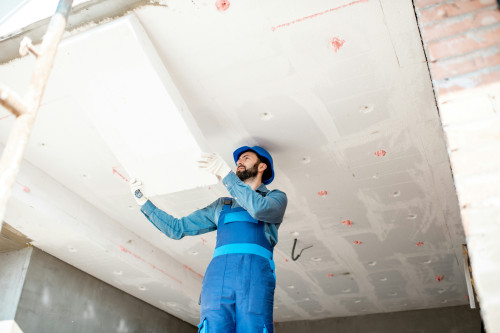
- Rigid Foam Boards (EPS, XPS, or Polyiso) – Great for exterior walls, foundations, and under slabs. They offer high insulation value per inch and resist moisture.
- Natural Fiber Insulation (Cotton, Wool, or Wood Fiber) – Sustainable materials that regulate moisture and provide good thermal performance, often used in older or eco-friendly homes.
No matter which material you choose, proper installation is key. Even the best insulation won’t perform well if there are gaps or poorly sealed joints where cold air can enter.
Focus on the Most Critical Areas
If you want to reduce drafts and cold airfall, start with the areas where heat loss is usually greatest:
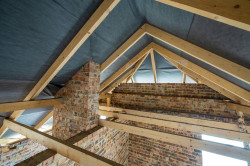
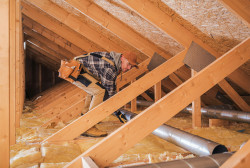
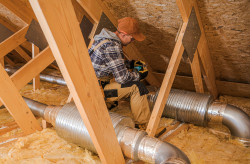
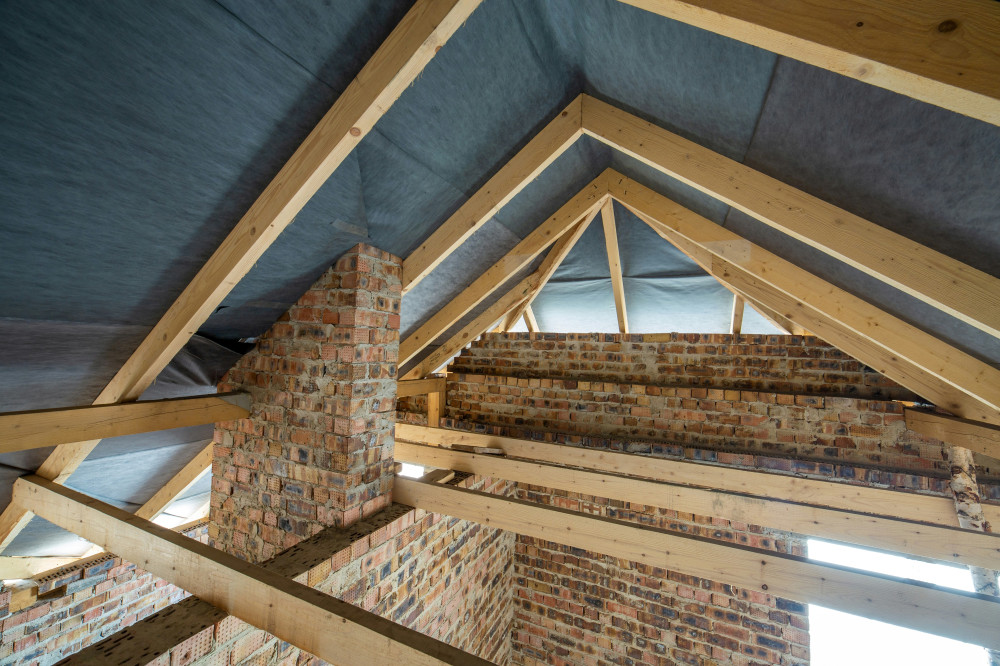
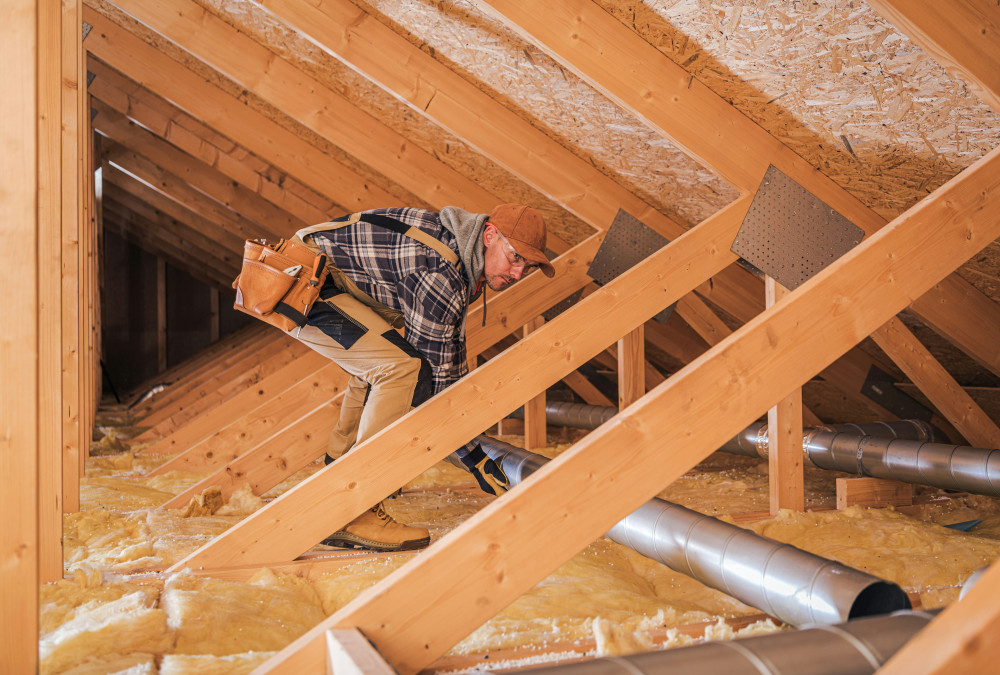
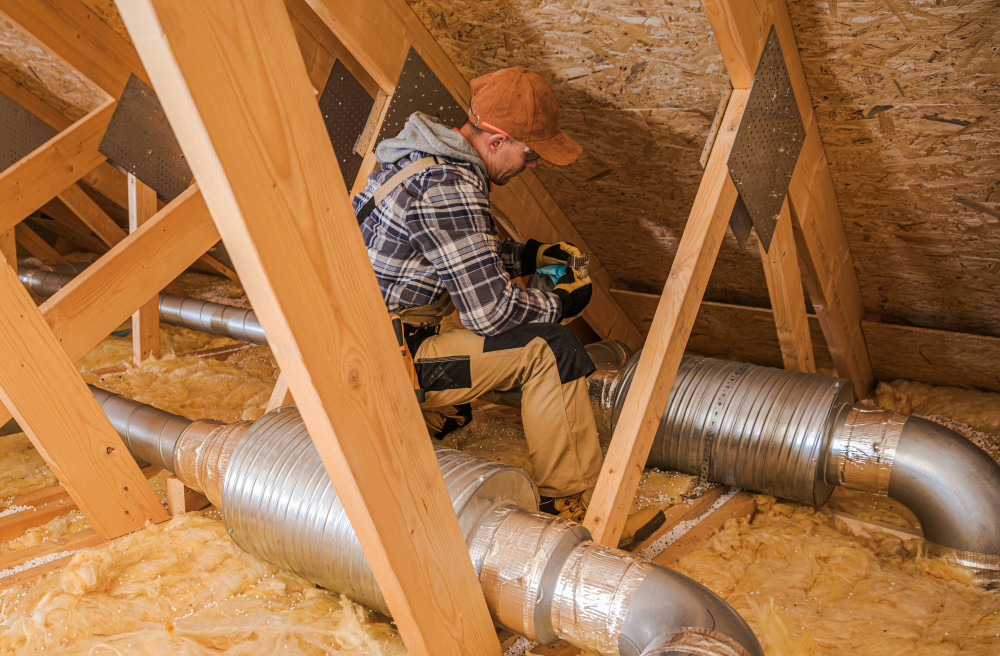
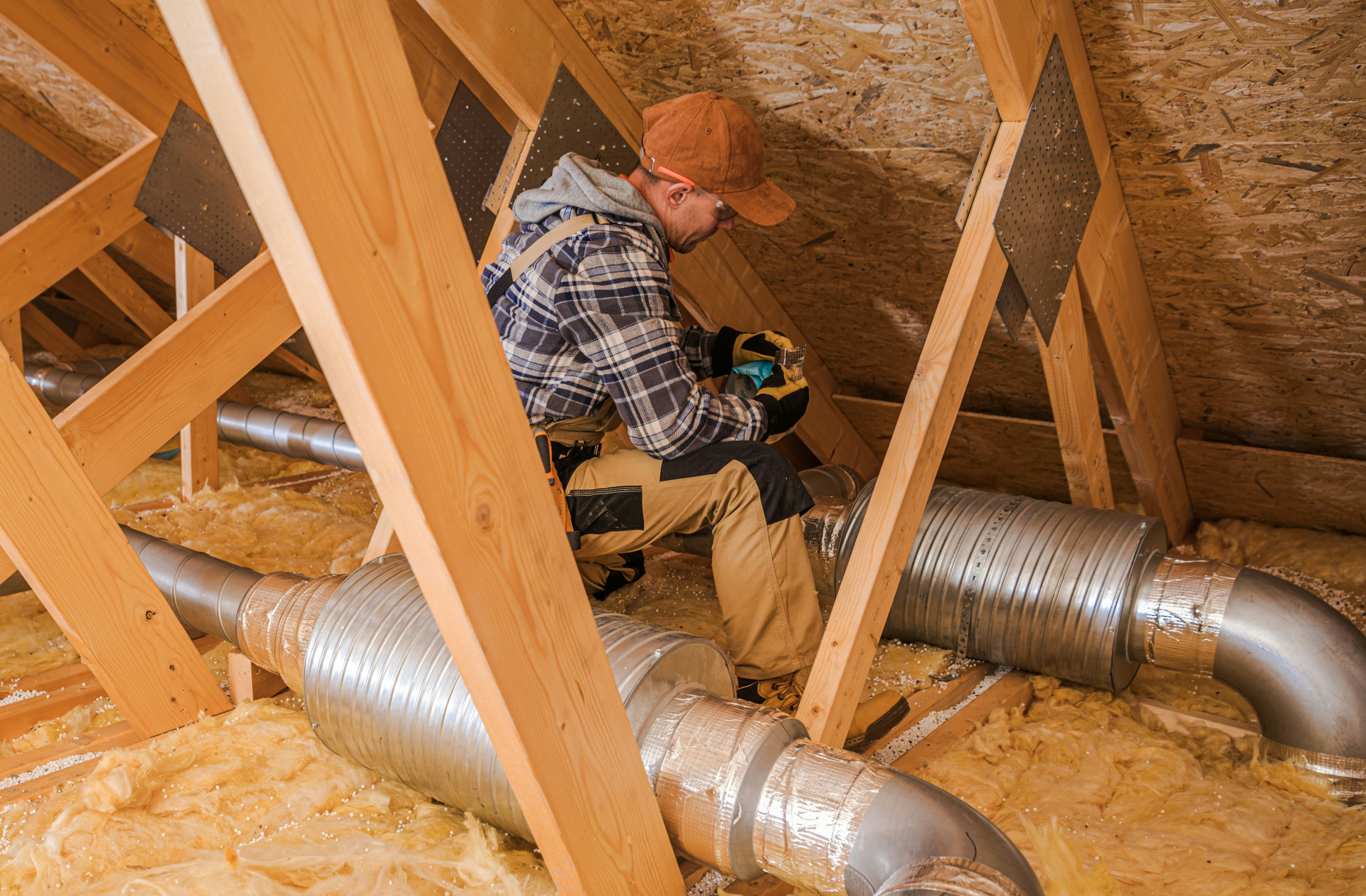
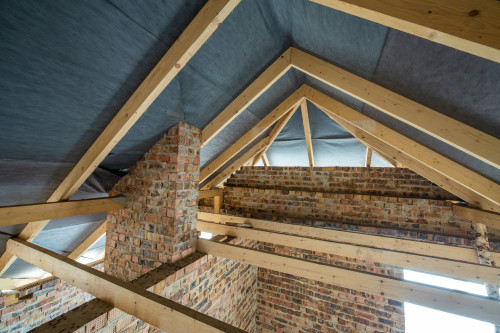
- Attic and Roof – Up to 25% of a home’s heat can escape through the roof. Adding or upgrading attic insulation often delivers the biggest improvement.
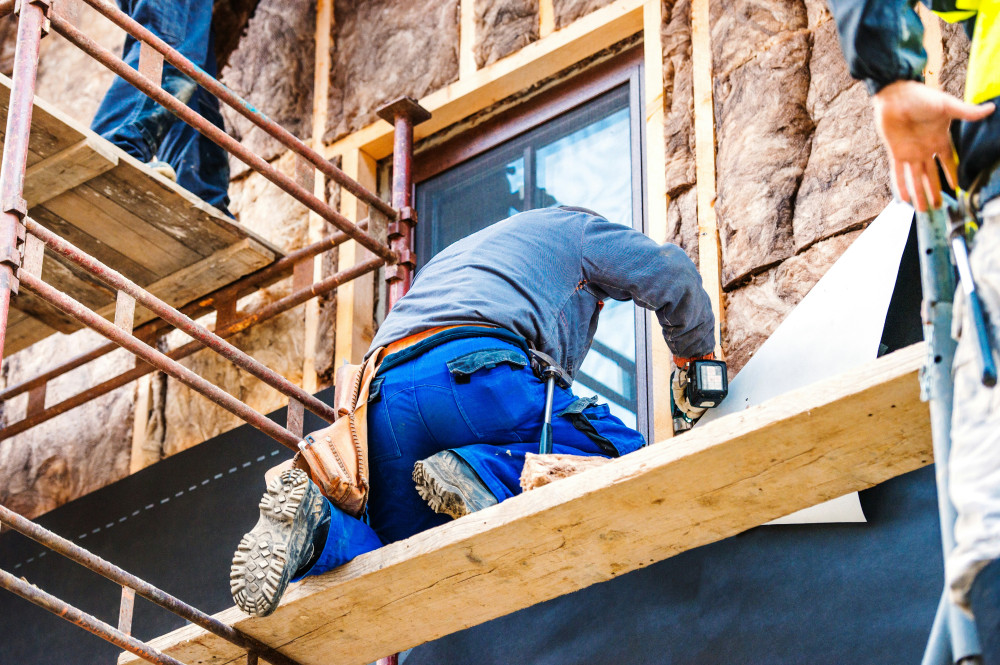
- Exterior Walls – Older homes may have little or no wall insulation. Blown-in cellulose or foam can fill cavities, while newer homes may benefit from exterior rigid foam panels.
- Floors Over Crawl Spaces or Basements – Cold floors often result from missing or inadequate insulation below. Insulating the underside of the floor or sealing the crawl space can make a big difference.
- Windows and Doors – Even small leaks can cause noticeable drafts. Check weatherstripping, caulking, and consider upgrading to energy-efficient windows if yours are outdated.
Balancing Insulation and Ventilation
When you improve insulation, your home becomes tighter—and that means ventilation becomes more important. A healthy indoor environment requires that moisture and CO₂ are vented out without losing too much heat.
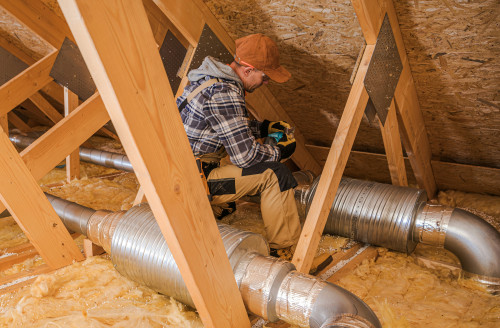
A balanced ventilation system with heat recovery (HRV or ERV) can be an effective solution. It provides fresh air while capturing heat from the outgoing air, helping you maintain comfort and prevent moisture problems.
Energy Savings and Everyday Comfort
A well-insulated home doesn’t just lower your heating bills—it feels more comfortable to live in. Temperatures stay more consistent, and you’ll no longer have to deal with cold corners or chilly floors.
Good insulation also increases your home’s value and appeal if you ever decide to sell. Many energy-efficiency upgrades may qualify for federal tax credits or local utility rebates, making the investment even more worthwhile.
Getting Started
Begin with a home energy audit. A certified energy assessor can identify where your home is losing heat, locate air leaks, and recommend the most cost-effective improvements.
From there, you can plan your upgrades step by step—perhaps starting with the attic and later addressing walls and floors. This phased approach helps spread out costs while steadily improving comfort and efficiency.
Læs også:
A Warmer, More Efficient Home
With the right insulation materials and careful installation, you can create a home that’s warmer, healthier, and more energy-efficient. It’s not just about saving money—it’s about enjoying a comfortable indoor climate free from drafts, cold airfall, and unnecessary energy waste.
Læs også: