Future Insulation Standards: Adapting Building Codes for Energy-Efficient Construction

Future Insulation Standards: Adapting Building Codes for Energy-Efficient Construction
As the United States moves toward ambitious climate goals and faces fluctuating energy costs, the demand for more energy-efficient buildings continues to grow. Insulation plays a central role in this transition—both as a means to reduce energy consumption and as a cornerstone of sustainable construction. But how can building codes evolve to support energy-efficient design without stifling innovation or driving up costs?
Stricter Standards with a Holistic Focus
Recent updates to U.S. energy codes, such as the International Energy Conservation Code (IECC) and state-level adaptations like California’s Title 24, have steadily raised the bar for building performance. Where earlier codes focused on individual components—walls, roofs, or windows—today’s standards increasingly emphasize the building’s overall energy use. This integrated approach allows designers to balance insulation, ventilation, glazing, and renewable energy systems to achieve optimal performance.
For example, a home equipped with solar panels and advanced heat recovery ventilation may be allowed slightly lower insulation levels if the total energy performance meets or exceeds code requirements. This flexibility encourages innovation but also demands more precise modeling and documentation.
New Materials and Technologies Changing the Game
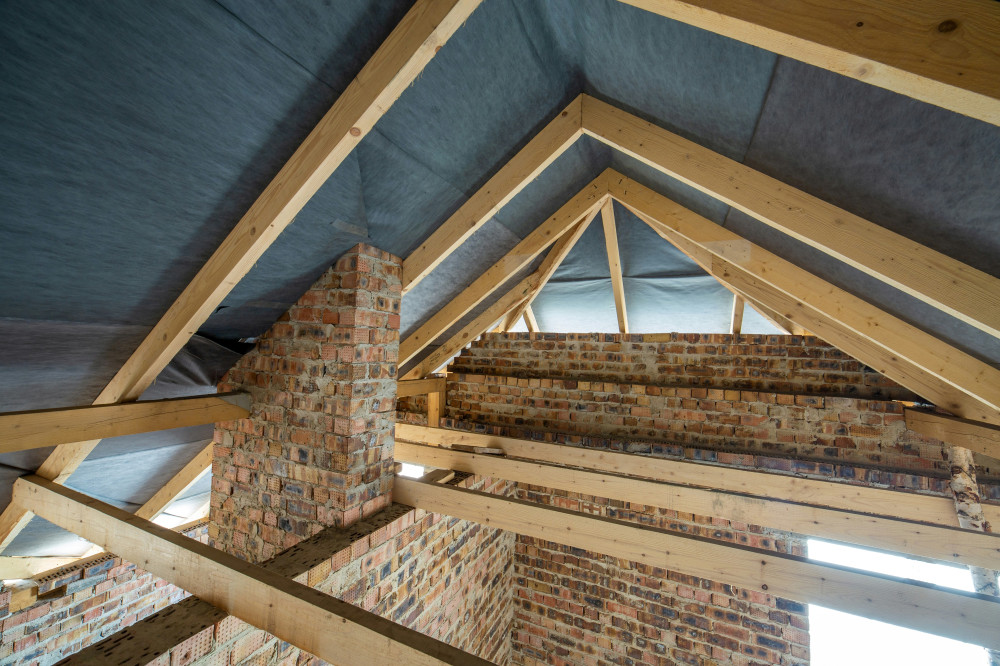
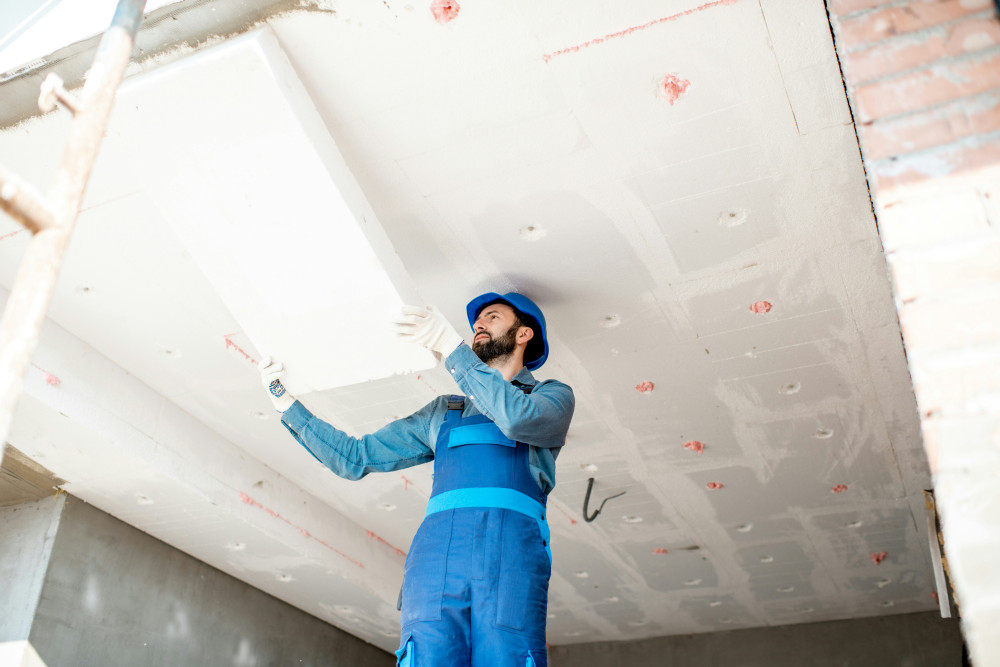
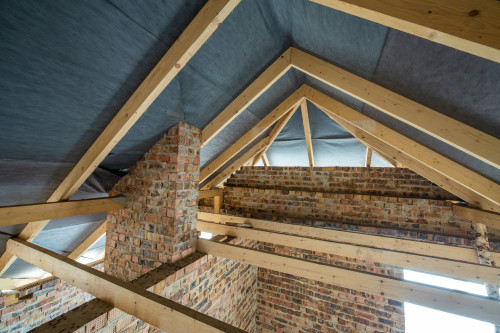
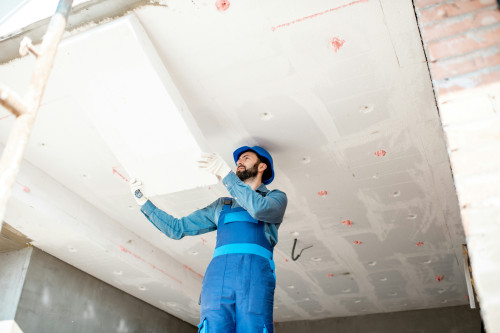
The insulation industry is evolving rapidly. Traditional materials like fiberglass and foam board are now joined by high-performance and bio-based alternatives such as cellulose, hemp, aerogel, and vacuum-insulated panels. These materials can deliver superior thermal performance with less thickness—an advantage in urban areas where space is limited.
To keep pace, building codes must remain adaptable. Approval processes and testing standards need regular updates to ensure that new materials can be evaluated fairly and integrated safely. Encouraging innovation while maintaining safety and performance standards will be key to future code development.
Energy-Efficient Construction as the New Normal
What was once a niche market for eco-conscious builders is now becoming mainstream. Many states are adopting “net-zero ready” standards for new homes, and federal incentives under the Inflation Reduction Act are accelerating the shift toward high-efficiency construction. Insulation requirements are no longer just about saving energy—they’re about comfort, indoor air quality, and long-term durability.
A well-insulated building maintains a stable indoor temperature, reduces the risk of moisture and mold, and provides a healthier living environment. These benefits not only improve occupant well-being but also enhance property value and resilience against extreme weather.
The Challenge: Balancing Ambition and Practicality
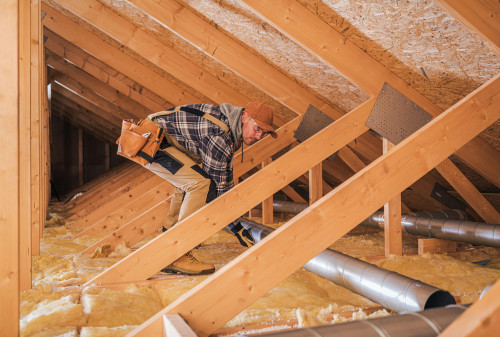
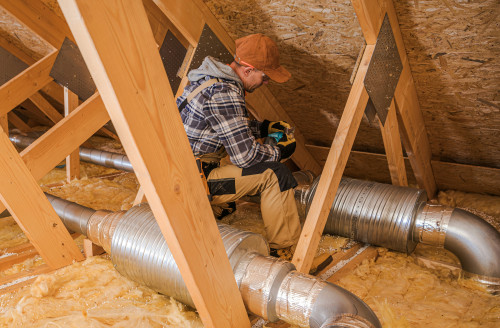
While stronger insulation standards bring clear environmental benefits, they also present challenges. Upgrading insulation in existing buildings can be costly, especially when structural limitations or historic preservation rules apply. Over-insulating without proper ventilation can also lead to moisture buildup and poor indoor air quality.
Therefore, future building codes must focus on overall energy performance rather than rigid insulation thickness. The goal is to strike a balance between efficiency, affordability, and occupant health—ensuring that energy savings do not come at the expense of comfort or practicality.
The Future Direction: Flexibility and Verified Performance
Tomorrow’s insulation standards are likely to become more performance-based, allowing builders greater freedom to choose materials and methods as long as they can demonstrate compliance through verified energy modeling. This shift from prescriptive to performance-based codes will encourage creative solutions tailored to local climates and building types.
Digital tools and smart technologies will also play a growing role. With sensors and energy management systems, building performance can be monitored in real time, enabling adjustments that optimize efficiency. In this way, insulation becomes part of a dynamic, intelligent system rather than a static layer hidden behind walls.
Læs også:
Toward a Greener, More Efficient Future
Adapting building codes for energy-efficient construction is ultimately about creating a framework for a more sustainable future. Insulation remains one of the most cost-effective tools for reducing carbon emissions and energy use in the built environment, which accounts for a significant share of U.S. energy consumption.
By combining stricter performance goals with flexibility, innovation, and a holistic approach, the United States can continue to lead in energy-efficient building design—benefiting the climate, the economy, and the comfort of those who call these buildings home.
Læs også: